
If we’re serious about building a decarbonised food industry, we must start at the source: the land. The path forward depends on sustainable agricultural systems that can trace greenhouse gas (GHG) emissions from food products directly back to the regions and production systems that generate them.
We’ve developed a powerful new method to make this possible (published in the Internation Journal of Food Science and Technology). By combining Geographic Information Systems (GIS) with Life Cycle Assessment (LCA), we can calculate regional carbon foo
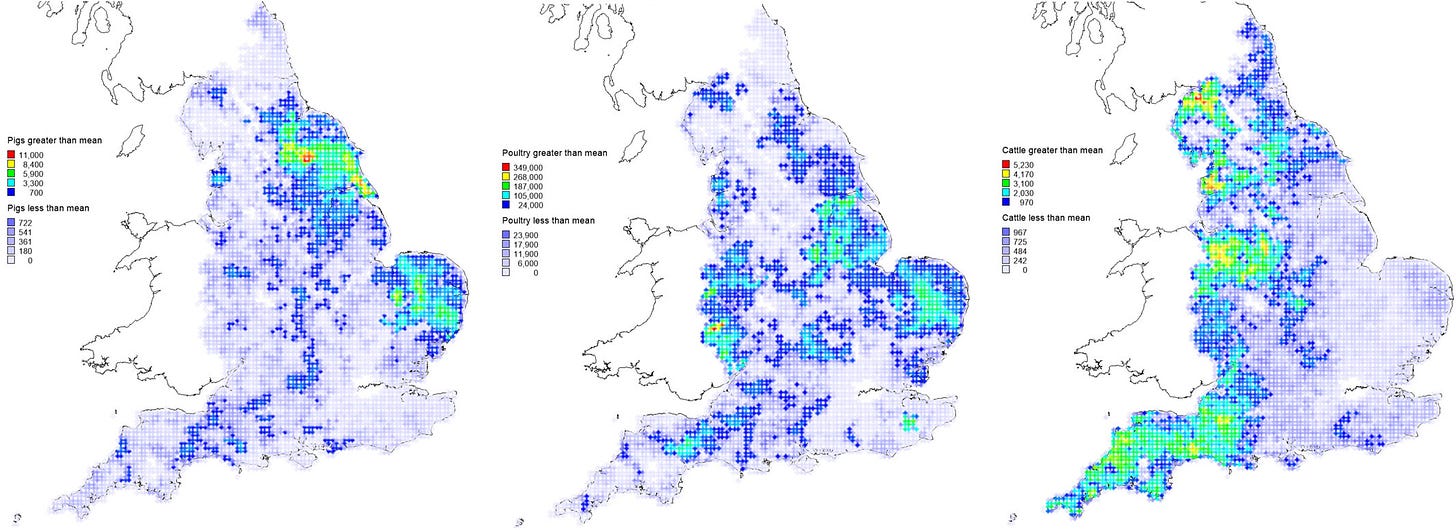
tprints with precision. This hybrid GIS-LCI approach unlocks a strategic pathway to emissions reduction—one that is grounded in place-based data and tailored to local realities.
Here’s how it works:
Agronomic and animal husbandry practices are mapped using GIS, while carbon footprints are calculated using Life Cycle Inventory (LCI) data. The result is a geospatial model that doesn’t just quantify emissions—it shows exactly where and how to reduce them.
Our findings are both timely and transformative:
- Geography matters. It defines what crops and livestock can be sustainably produced in a given area.
- Product density data matters. It enables regional food system carbon footprints to be calculated—moving us past the crude assumptions of national averages.
- GIS matters. It gives policymakers the tools to craft region-specific sustainability strategies rather than relying on blanket policies that miss the mark.
Take beef, for example. Assuming all beef has the same carbon footprint is a dangerous oversimplification. Emissions vary significantly between dairy beef, feedlot beef, and grass-fed systems—just as they do between irrigated and rain-fed crops. Our GIS-LCI method captures these differences, helping supply chains and policymakers make smarter, more informed decisions.
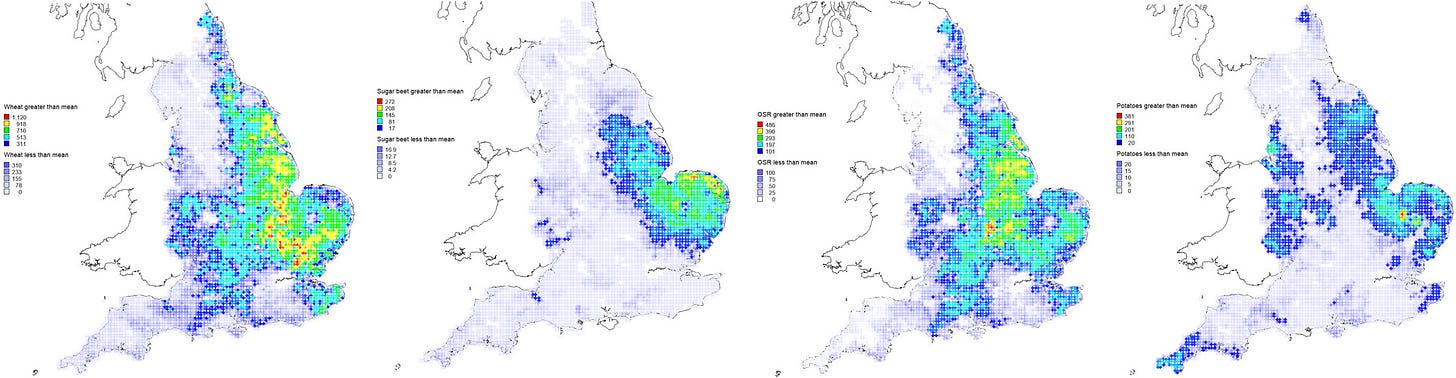
This isn’t just about technical innovation—it’s about strategic transformation. Integrating geospatial and agricultural technologies makes our food system more resilient, our risk assessments more precise, and our transition to net-zero more grounded in reality. Ultimately, this approach offers a clear takeaway: meat production must be used strategically, not universally. Its role in a sustainable food system should be judged not only by ethics, nutrition, and welfare—but also by geography. When and where we produce matters as much as how.
This is how we move from ambition to action—by putting carbon, and agriculture, on the map.
 Dr Wayne Martindale, FIFST
1 Comment