
It is always good to see ongoing interest in our book Food Industry 4.0: Unlocking Advancement Opportunities in the Food Manufacturing Sector. When a research study is actually being read for new ideas and augmenting change it brings a sense of worthiness to it all. In our Industry 4.0 book, written with my colleagues Sandeep Jagtap and Linh Duong, we make faster and better solutions by doing different. See it here.
We explore three key drivers of long-term success in food manufacturing:
(1) Consumer health and wellbeing
(2) Sustainability in products and processes
(3) Harnessing digitalization
By combining data with fresh thinking, we uncover new, practical ways to build resilience in food supply. For example, our synteny diagrams map how global agri-commodities flow into processing, feed, and food — highlighting often-overlooked aspects of the system- volume and percentage into feeds not just food. Synteny methods are typically used for mapping gene similarities but we used it to map supply chains. These synteny diagrams expose a huge flaw in current food security dialogue- food chains connect with processing operations and there are a multitude of co-products. What’s more a glaring part of the system that is all too often understated thinking is feed!
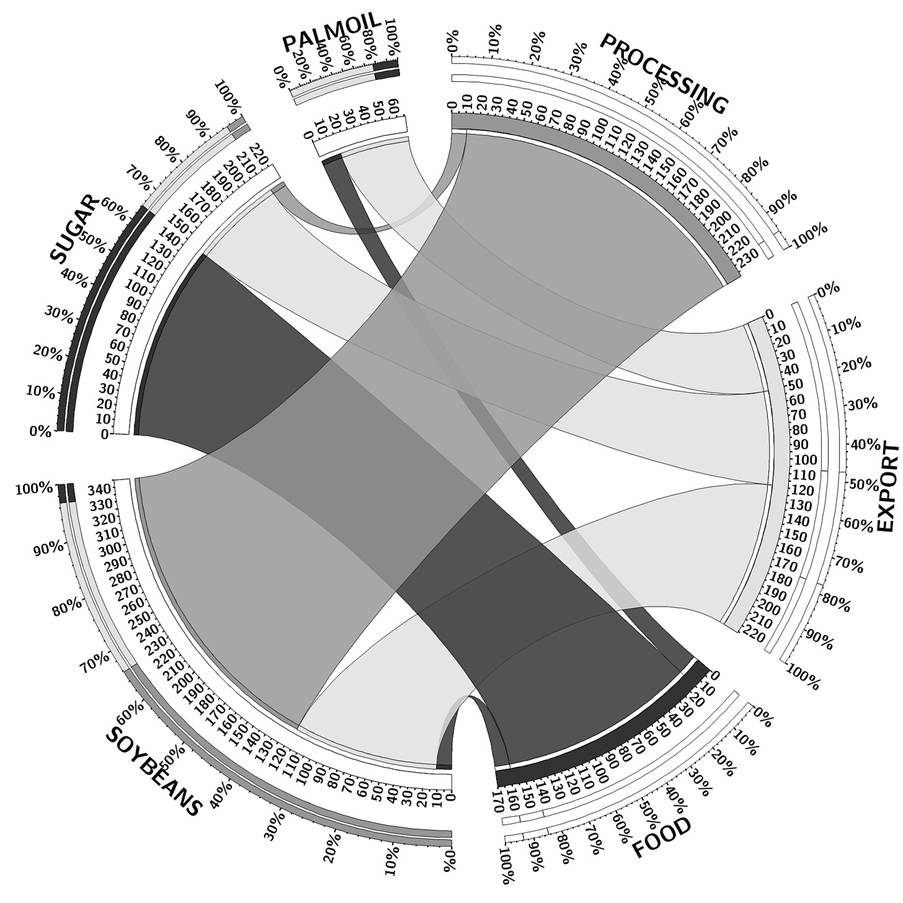
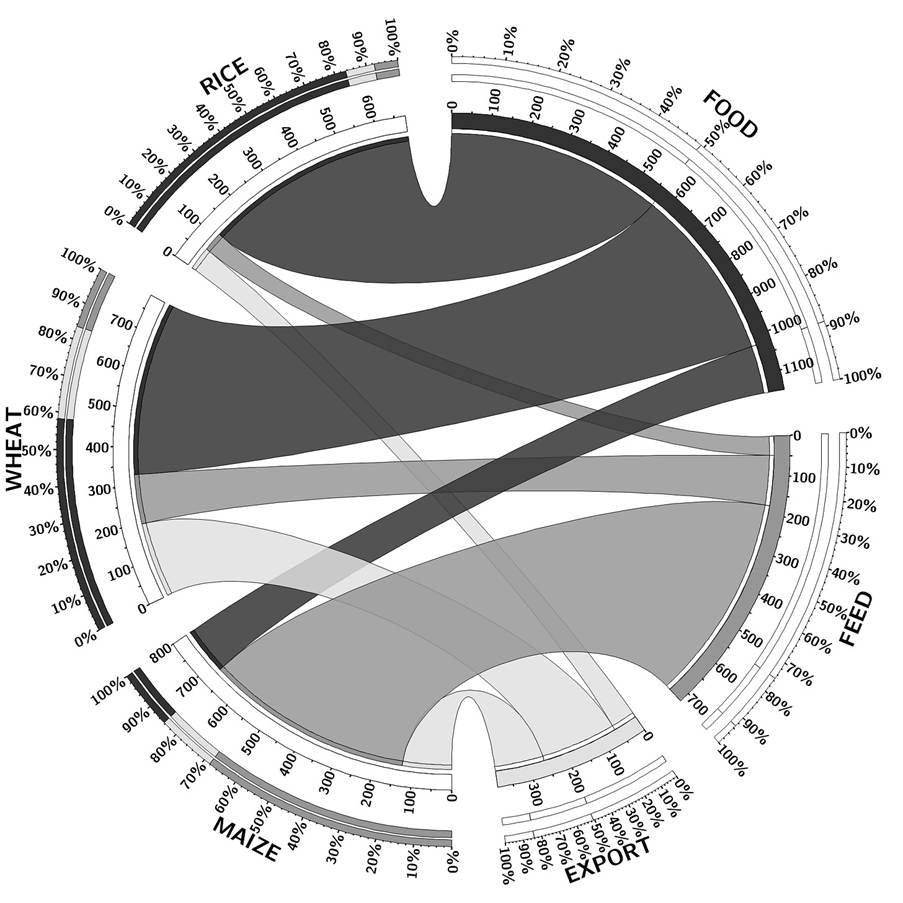
The synteny diagrams were developed some time ago now using the Circos platform made possible due to the incredible graphic insight for complex data and systems of Martin Krzywinski, take a look and see what scientific data looks like and more to the point cut through the hyperbole of system thinking.
Source: Food security and digital innovation – Wayne Martindale
climate change, food security, Industry, Innovation
DR WAYNE MARTINDALE OUTLINES HOW AI AND DATA MAPPING CAN BUILD SMARTER, RESILIENT GLOBAL FOOD SYSTEMS
Source: When foods meet AI | Food Science and Technology | Oxford Academic
‘The food industry has been through many waves of change and each time it can feel like an ’after the gold rush’ moment for professionals. Did anything actually change or provide the promise offered? Now our food system is in the midst of another transformation, this time driven by artificial intelligence (AI). Professional communities such as IFST have a unique role to play securing our food system: by sharing expertise and mentorship, they can help innovators apply science, avoid costly detours, and create meaningful change.’
climate change, food security, Industry, Innovation
Quick carbon fixes? They do not work
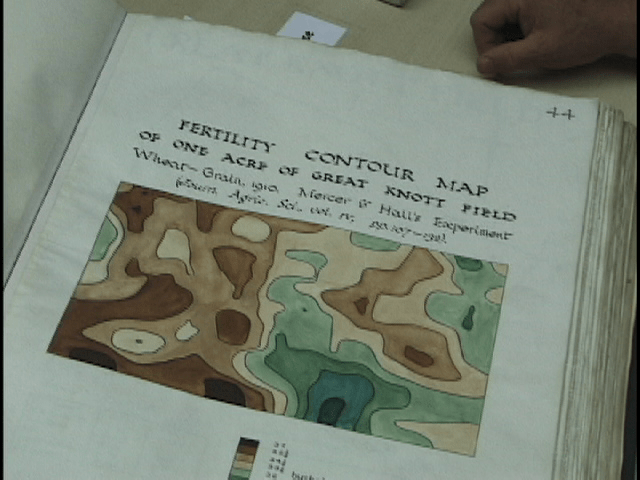
One of the first contour maps of field agronomy Wayne has ever seen, research was from a OECD Fellowship awarded to Wayne in 2001 working with rothamsted and Purdue University, soil fertility mapped from the Rothamsted Estate by Lawes and Gilbert
If you think quick carbon sink fixes work, think again. I know that building stable soil carbon reserves takes time – often 20–30 years, 5-10 field rotations. There are no quick fixes, miracle additives, or mystical practices that speed it up. The long-term experiments at Rothamsted have again demonstrated this, over the 170 years or so since they first started to demonstrate the fertiliser recommendations do work, there is nothing mystical about them. It’s great to see new research from these iconic trials that show how using fertiliser recommendations will lock more carbon into the soil. A powerful reminder that sound agronomy still has something to add.
Source: Quick carbon fixes? – Wayne Martindale

